Gimkit
Introduction: What Is Gimkit?
Gimkit is a popular game-based learning platform that makes education interactive and engaging. Often asked “what is Gimkit,” the answer is simple: it’s a tool where students learn by playing quizzes called Kits. Teachers can create or host Gimkit games to make studying fun. Players answer questions to earn virtual currency and can spend it strategically in the game.
Gimkit integrates motivation, competition, and learning in a single platform, making lessons memorable. Whether you want to play Gimkit or explore advanced features like Gimkit hacks, this platform turns repetitive revision into a dynamic, educational experience suitable for classrooms, remote learning, or hybrid settings.
How to Make a Gimkit Game
One of the first questions teachers ask is “how to make a Gimkit game.” Creating a Kit is easy through the Gimkit dashboard. Teachers can make Gimkit quizzes manually or import questions from other platforms. Once the Kit is ready, it can be hosted in live sessions using Gimkit live, where students join via a Gimkit code.
The process allows customization of question types, game modes, and rewards, ensuring that each session is tailored to learning objectives. By mastering how to host Gimkit games, educators can increase student engagement and monitor performance in real-time, while students enjoy an interactive and strategic learning experience.
How to Make a Gimkit Quiz
Creating your own quiz on Gimkit is straightforward. Teachers can select Gimkit create from the dashboard, input questions, add correct answers, and configure point rewards. Gamification features like in-game currency, power-ups, and leaderboards encourage students to participate.
Understanding “how to make a Gimkit” and design it effectively ensures each Kit aligns with curriculum goals. Once finalized, teachers can host Gimkit sessions live or assign them for homework. The platform’s flexibility also allows KitCollab, where students can contribute questions, turning the learning process into a collaborative and motivating experience for the class.
Interactive Table: Gimkit Solutions & Real Use-Cases
Gimkit Features, Real-World Use Cases & Access Guide
| Feature / Term | Description | Real-World Use Case | How to Access / Use |
|---|---|---|---|
| What is Gimkit | Game-based learning platform | Teachers gamify classroom review sessions | Visit Gimkit home |
| How to Make a Gimkit / Game | Create quizzes and interactive Kits | Educators design subject-based quizzes | Use Gimkit create from dashboard |
| Gimkit Join / Join Code | Students access Kits via unique code | Students join live review sessions | Enter join code at Gimkit/join |
| Gimkit Host / Host Game | Teachers run live sessions | Track participation and engagement | Click Gimkit host game |
| Gimkit Live | Real-time gameplay environment | Students answer questions and earn currency | Access via Gimkit live |
| Gimkit Dashboard | Teacher analytics and control hub | Monitor performance and progress | Log in via Gimkit login |
| Gimkit Create | Custom Kit creation tool | Tailor quizzes to curriculum needs | Click Gimkit create |
| Gimkit Hacks / Cheats | Strategic gameplay techniques | Encourage smart play (avoid cheating) | Optional in-game strategies |
| Play Gimkit | Student participation in games | Gamified learning with rewards | Use Gimkit join code |
| Gimkit Home | Central platform hub | Manage Kits, sessions, and homework | Log in at Gimkit home |
How Students Join Gimkit
Students access Kits using Gimkit join, a simple process requiring only a Gimkit join code. By entering this code on Gimkit/join or directly via Gimkit live, learners connect to live sessions without creating accounts. This ease of access is crucial for maintaining participation and reducing technical barriers.
During play, students answer questions to earn in-game currency, spend it on upgrades, and see their progress on Gimkit leaderboards. Teachers can track participation and performance in real time through the Gimkit dashboard, ensuring that everyone is engaged while making the learning process interactive and rewarding.
How to Host a Gimkit Game
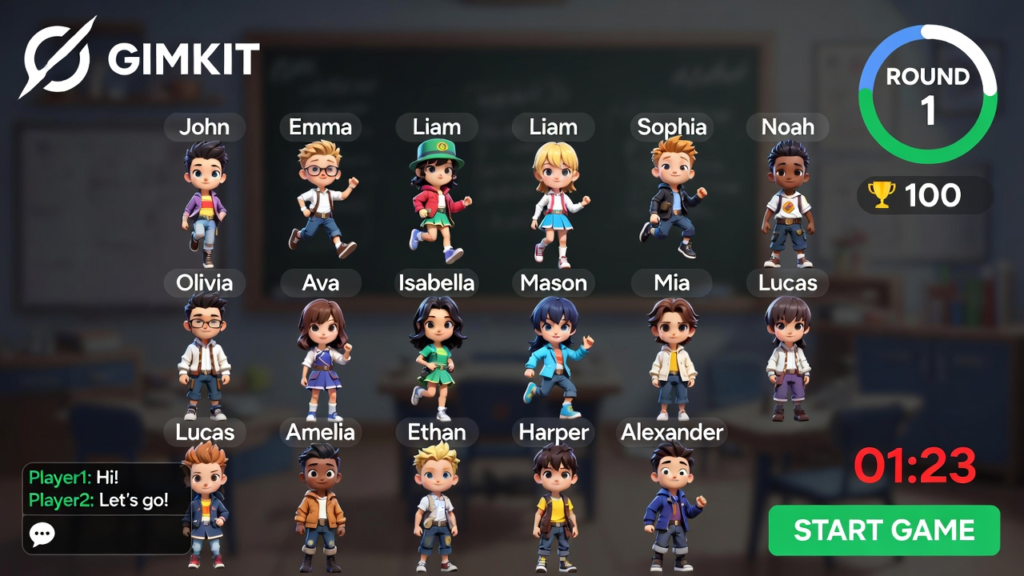
Teachers who want to lead interactive sessions can Gimkit host a game. After creating a Kit, selecting Gimkit host game launches a live session. Students join with a Gimkit code, which appears on the screen. Hosting allows real-time monitoring, enables custom game settings, and encourages participation.
Various modes such as Classic, Team Mode, or Gimkit live sessions make gameplay dynamic and flexible. By learning how to host Gimkit effectively, educators can turn a simple quiz into a motivational and educational game that fosters engagement, collaboration, and skill retention among students.
Logging Into Gimkit
Accessing the platform begins with Gimkit login. Teachers and students can log in using email or single sign-on features, while students can also join live games with only a Gimkit code. Logging in provides access to the Gimkit dashboard, Kits, assignments, and analytics.
Once logged in, teachers can monitor student performance, manage sessions, and create new Kits. Logging in regularly ensures that all participants can play Gimkit without interruptions and take advantage of features like progress tracking, leaderboards, and collaborative learning.
Gimkit Dashboard Overview
The Gimkit dashboard is the central hub for teachers and students. It shows all Kits, ongoing live sessions, analytics, and student performance. Teachers can create Gimkit quizzes, host Gimkit games, and monitor participation in real-time.
The dashboard also provides insights into which questions students struggled with, enabling focused remediation. Students can see assignments, join Gimkit sessions, and track their own progress. Mastery of the dashboard ensures smooth management of live sessions, homework assignments, and game modes, helping teachers maximize engagement and learning outcomes.
Gimkit Live Sessions
Gimkit live adds an exciting, interactive layer to classroom learning. Teachers can host Gimkit live events, letting students join immediately using a Gimkit code. Real-time gameplay encourages competition, teamwork, and strategic thinking.
Features like leaderboards and in-game currency make it feel like a game show rather than a quiz. Live sessions also allow educators to monitor responses and intervene when students need guidance. Utilizing Gimkit live enhances motivation, improves retention, and makes even challenging content enjoyable for learners of all ages.
How to Play Gimkit Effectively
Playing Gimkit goes beyond answering questions. Students earn currency for correct answers and must decide how to spend it on upgrades, power-ups, or multipliers. Strategic decisions enhance engagement and critical thinking. Using features like Gimkit join code, students can participate in live or homework-based Kits.
Competitive elements like leaderboards promote healthy competition, while collaborative modes encourage teamwork. Understanding how to play Gimkit effectively improves retention, reinforces concepts, and makes review sessions exciting and rewarding.
Top 2026 Gamification Tools in Education
Leading platforms shaping modern classroom gamification and student engagement.
| Tool | Primary Focus | Key Strength |
|---|---|---|
| Gimkit | Strategic quiz gameplay | Engagement + analytics |
| Kahoot | Live quizzes & surveys | Ease of use + interactivity |
| Quizlet | Flashcards & games | Memory reinforcement |
| Classcraft | Gameful behavior management | Motivation + classroom culture |
| Blooket | Mixed-mode quizzes | Flexible gameplay options |
Classroom Gamification Trends
Classroom gamification has rapidly evolved from a niche teaching strategy into a core educational methodology that enhances engagement, supports differentiated learning, and improves long-term retention. In 2025 and beyond, the use of gamification tools like Gimkit, Kahoot, Quizlet, and Classcraft reflects broader trends in education technology that are reshaping how students interact with content and how teachers assess mastery.
Personalized Learning Through Game Mechanics
One major trend is the integration of adaptive game mechanics, where platforms analyze student responses and adjust the difficulty or pacing of questions. This approach supports personalized learning by tailoring quizzes to individual progress, helping students build confidence and mastery at their own pace.
Strategic Decision-Making and Critical Thinking
Modern gamification goes beyond points and badges. Tools like Gimkit introduce strategic elements (e.g., virtual currency, power-ups, team modes) that require students to make decisions based on risk, reward, and collaboration. This shift reinforces critical thinking, planning, and teamwork skills essential for 21st-century learners.
Blended and Hybrid Classroom Support
The rise of blended and hybrid learning models has accelerated gamification adoption. Educators use platforms that seamlessly integrate live, in-person gameplay with asynchronous homework assignments, making learning flexible and inclusive. Students can join via codes (e.g., Gimkit join code) from any device, ensuring continuity across classroom and remote environments.
Data-Driven Instruction
Gamified platforms now provide robust analytics dashboards that help educators monitor participation, accuracy, and topic mastery in real time. These insights guide differentiated instruction, enabling teachers to intervene early, group students strategically, and measure growth over time. Data visibility also helps educators refine lesson plans and curriculum design.
Collaboration Over Competition
While early gamification focused on individual competition, current trends emphasize collaboration and social learning. Features like team modes or student-generated content (e.g., Gimkit KitCollab) foster peer interaction, collective problem-solving, and shared responsibility. Instead of battling for top scores, students work together toward collective learning goals.
Integration with Curriculum and Standards
More gamified solutions are mapping content directly to state and national standards, making it easier for teachers to align games with learning objectives. This trend ensures that gamification is not “extra” it’s seamlessly embedded within lesson plans, exams, and competency frameworks.
Mobile-First and Accessibility Enhancements
Gamification tools are increasingly developed with a mobile-first design, recognizing that many students use tablets or smartphones more than laptops. Accessibility features such as text-to-speech, localized languages, and user preferences support inclusive learning environments for all students.
Creating Content in Gimkit
Teachers can Gimkit create questions tailored to curriculum needs. The platform allows multiple choice, true/false, and other formats. Custom content ensures quizzes are relevant and challenging. How to make a Gimkit game with accurate content is vital for ensuring learning outcomes. Students can also participate in KitCollab, contributing their own questions. By customizing Kits, educators maintain alignment with classroom objectives while keeping engagement high. Custom content creation makes Gimkit a flexible tool for personalized learning across subjects.
Gamification and Engagement
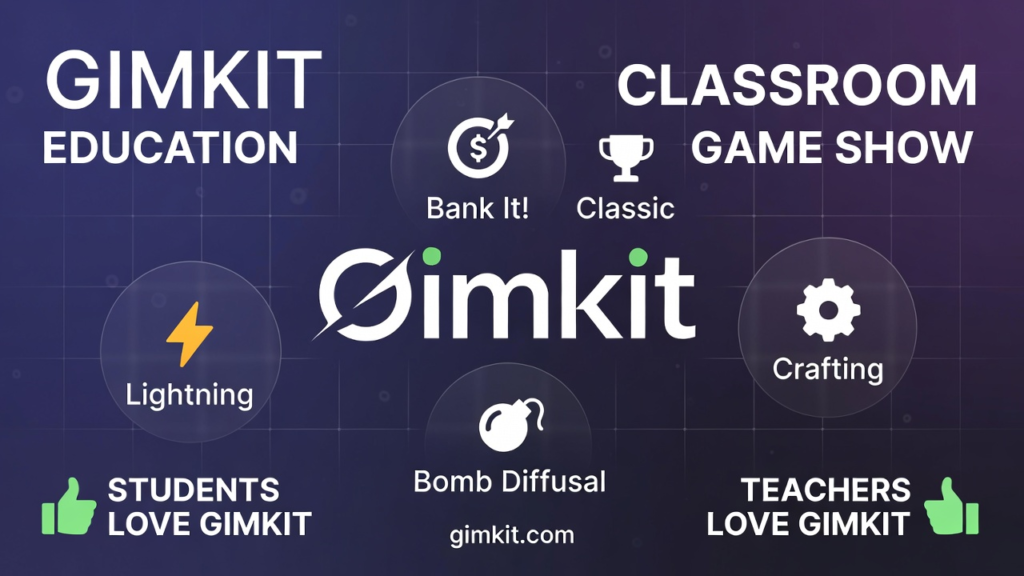
Gimkit’s strength lies in gamification, turning standard quizzes into interactive games. Features like virtual currency, power-ups, and multiple game modes reward accuracy and strategy. Gimkit hacks or advanced strategies can enhance gameplay, but teachers should balance game mechanics with learning objectives. Gamified learning boosts motivation, attention, and retention. By integrating competitive and collaborative elements, Gimkit ensures that students remain active participants. Its design is particularly effective for digital, hybrid, and in-person classrooms, making content review engaging and memorable.
Pros and Cons of Gimkit
Pros:
- Engaging and Interactive Learning: Gimkit turns quizzes into games, making learning fun and motivating for students.
- Easy Access for Students: Using a Gimkit join code or Gimkit/join, students can join live or homework sessions without needing an account.
- Customizable Kits: Teachers can create Gimkit quizzes tailored to curriculum objectives, subjects, and student skill levels.
- Real-Time Analytics: The Gimkit dashboard provides live tracking of student performance, helping educators adjust lessons immediately.
- Gamification Features: Power-ups, in-game currency, and Gimkit live modes encourage strategic thinking, teamwork, and competition.
- Flexible Learning Environments: Works in classrooms, remote learning, or hybrid setups, accommodating various teaching styles.
Cons:
- Potential for Distraction: Overuse of power-ups or competitive elements can sometimes distract students from content.
- Free Version Limitations: The free plan restricts certain features, like the number of Kits or live participants.
- Device and Internet Dependence: Requires stable internet and a compatible device for smooth participation.
- Cheating Risk: Some students may look for Gimkit hacks or cheats, reducing educational effectiveness if not monitored.
- Learning Curve for Teachers: New educators may take time to master Gimkit create, dashboard analytics, and hosting live sessions.
Common Questions About Gimkit
- What is Gimkit? A game-based learning tool for quizzes and classroom engagement.
- How to make a Gimkit? Use the Gimkit dashboard to create Kits.
- How to join Gimkit? Students enter a Gimkit code or use Gimkit/join.
- How to host Gimkit? Teachers select Gimkit host game from the dashboard.
- What is Gimkit live? Real-time game sessions with strategic gameplay.
Real-World Classroom Use Cases
Educators worldwide implement Gimkit to review lessons, assign homework, or conduct engaging quizzes. Students can join Gimkit sessions from any device using a Gimkit code, making remote learning effective. Gimkit live sessions create a fun environment while improving retention.
Teachers track performance via the Gimkit dashboard, adjusting lessons based on analytics. From elementary schools to high school classrooms, Gimkit supports various subjects, enhances student motivation, and makes learning interactive, efficient, and engaging.
The Future of Gimkit
The future of Gimkit is promising as gamified learning continues to grow globally. With advancements in AI-driven quiz generation, analytics, and personalized learning, Gimkit is likely to become even more adaptive and engaging. Features like Gimkit live, strategic power-ups, and collaborative modes will evolve to support hybrid classrooms, remote learning, and interactive education platforms. Integration with other tools, mobile accessibility, and improved dashboard analytics will allow teachers to create highly tailored learning experiences. As schools prioritize engagement and retention, Gimkit will remain a top choice, blending education and gameplay seamlessly for years to come.
Conclusion: Why Gimkit Is a Top Learning Tool
Gimkit is a comprehensive, gamified learning platform that combines education with gameplay. Students learn actively, teachers gain analytics and customization tools, and classrooms become more engaging.
Using features like Gimkit join, Gimkit create, Gimkit host game, and Gimkit live, the platform supports both individual and collaborative learning. Strategic gameplay, gamification, and customization make Gimkit a top choice for modern educators, improving engagement, knowledge retention, and motivation across classrooms and digital learning environments.
Frequently Asked Questions (FAQs) About Gimkit
Gimkit is an interactive, game-based learning platform designed to make classroom quizzes more engaging. Teachers create question sets called “Kits,” and students answer questions in real time to earn virtual currency. This currency can be used for power-ups and upgrades, which adds a strategic element to learning. Gimkit works on any device with a browser and supports live games, homework modes, and self-paced learning. Its unique mix of education and strategy helps improve student focus, motivation, and knowledge retention.
Students can easily join a Gimkit game by visiting Gimkit join or gimkit/join and entering the unique Gimkit join code provided by the teacher. No account is required for students to play most live games. Once the code is entered, students are instantly connected to the session and can start playing. This quick access makes Gimkit ideal for classrooms, remote learning, and hybrid education environments.
Gimkit offers both free and paid plans. The free version allows teachers to create and host basic Gimkit games with limited features. Paid plans unlock advanced options like unlimited game modes, detailed analytics, assignments, and enhanced customization. Many educators start with the free version and upgrade later as they see the value Gimkit adds to student engagement and assessment accuracy.
Yes, Gimkit fully supports homework and self-paced learning modes. Teachers can assign Kits that students complete on their own time, without live hosting. These modes are especially useful for revision, exam preparation, and distance learning. The Gimkit dashboard allows teachers to track progress, accuracy, and participation, making it a powerful tool for both in-class and out-of-class learning.
Using Gimkit hacks or cheats is strongly discouraged. While some users search for shortcuts, cheating defeats the educational purpose of the platform. Gimkit is designed to promote fair play, strategic thinking, and honest learning. Teachers can enable settings to reduce cheating and encourage healthy competition. The best way to succeed on Gimkit is by understanding the material, using smart in-game strategies, and actively participating.
Disclaimer
This article is for informational and educational purposes only. It is not affiliated with, endorsed by, or sponsored by Gimkit or its parent company. Features, pricing, and functionality may change over time. Always visit the official Gimkit website for the most accurate and up-to-date information. Any references to strategies are intended to support learning, not encourage misuse or unfair practices.
About the Author