
2RSB9053
In mechanical engineering and industrial systems, tiny components like bearings make an enormous difference in how machines perform. 2RSB9053 is one such component a double‑sealed, precision‑engineered bearing widely used in demanding environments where durability, low maintenance, and smooth performance are essential. Unlike generic ball bearings, the 2RSB9053’s design ensures extended service life with minimal upkeep while handling both radial and axial loads.
It appears across applications from automotive steering components to industrial conveyors, robotics, and aerospace systems. Understanding what 2RSB9053 represents, how it’s constructed, where it’s applied, and how to choose and maintain it is crucial for engineers and technicians. This guide breaks down every aspect of 2RSB9053, from meaning and specifications to real‑world considerations and future trends in bearing technology.
What Does the Code 2RSB9053 Mean?
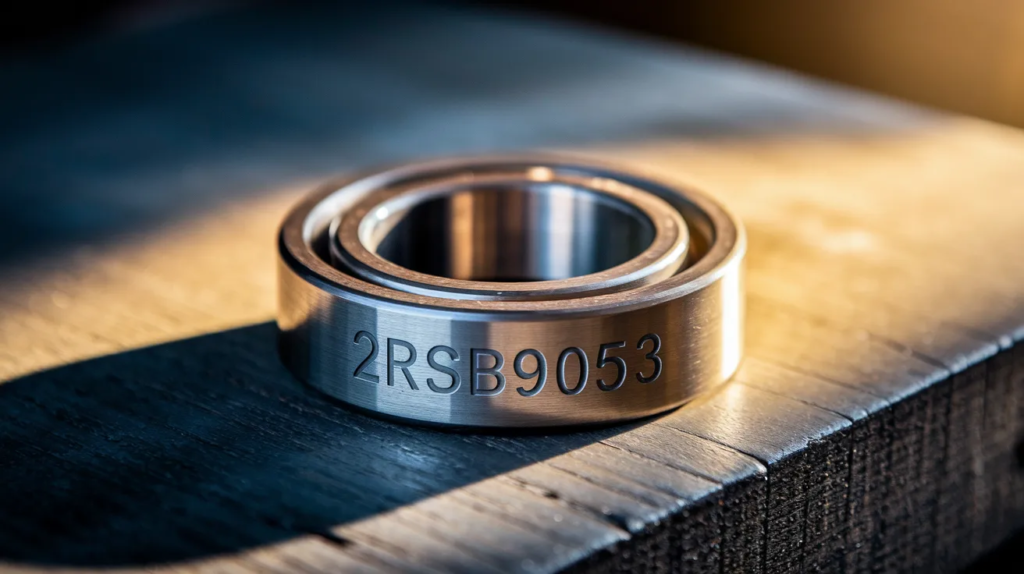
The alphanumeric code 2RSB9053 isn’t random it follows a systematic engineering designation used in bearing catalogs and part lists. The prefix “2RS” indicates that the bearing is sealed on both sides with rubber seals. These seals prevent dust, dirt, and moisture from entering the internal cavity, which preserves lubrication and extends service life.
The letter “B” often represents the bearing’s internal configuration or cage design, and in many interpretations it signifies either a particular series or a geometry optimized for both radial and axial loads. The trailing numbers “9053” typically define the size series or internal designation that corresponds to a specific bore, outer diameter, and width. While specific dimensions can vary by manufacturer, this code helps buyers and engineers identify the right model quickly.
Table: of high interactive in 2RSB9053
| Feature | Description | Real-World Application | Why It Matters |
|---|---|---|---|
| Product Code | 2RSB9053 sealed precision bearing | Used in industrial and mechanical systems | Ensures correct identification and compatibility |
| Seal Type | Dual rubber seals (2RS) | Prevents dust and moisture entry | Extends bearing lifespan and reliability |
| Material | High-grade bearing steel | Automotive, conveyors, robotics | Provides durability under high load |
| Friction Level | Low-friction rotational design | High-speed motors and shafts | Improves efficiency and reduces heat |
| Load Capacity | Optimized for radial loads | Machinery with continuous motion | Prevents premature mechanical failure |
| Maintenance | Pre-lubricated and maintenance-light | Factory automation systems | Reduces downtime and service cost |
| Operating Environment | Dusty, humid, and enclosed systems | Manufacturing plants and workshops | Ensures consistent performance |
| Performance Rating | High Reliability | Mission-critical components | Trusted for long-term operations |
Understanding 2RSB9053: A Comprehensive Overview
The 2RSB9053 is a high-precision, double-sealed ball bearing engineered for durability and minimal maintenance. Unlike traditional open bearings, its dual rubber seals prevent contaminants like dust, moisture, and debris from entering the bearing cavity, preserving the pre-applied industrial grease. This makes it ideal for environments where reliability is crucial, such as automotive steering assemblies, robotic actuators, and industrial conveyors.
Beyond mere rotational support, 2RSB9053 handles both radial and axial loads, making it versatile for systems with multi-directional stresses. Its construction typically involves chrome steel (GCr15) inner and outer races with elastomeric seals, ensuring long operational life. Engineers rely on this model when low-maintenance performance is a priority, especially in systems where bearing failure could halt production or compromise safety.
Technical Advantages of Double-Sealed Bearings
Double-sealed bearings like the 2RSB9053 provide significant operational advantages. By sealing both sides, these bearings retain lubrication longer, reducing friction and extending service life. The seals also prevent ingress of dirt and moisture, a critical factor in industrial machinery, automotive, and precision robotics.
Unlike single-seal or open bearings, the double seal ensures consistent rotational accuracy, reduces vibration, and minimizes downtime. In high-speed applications such as conveyor rollers or automated robotic arms, this bearing reduces heat generation, preserving mechanical integrity. Engineers choosing the 2RSB9053 prioritize predictable performance, lower maintenance, and operational efficiency, making it a preferred solution in systems requiring reliability under continuous load.
Real-World Applications of 2RSB9053
- Automotive Sector: Steering assemblies, alternators, and electric motor shafts.
- Industrial Machinery: Conveyor belts, pumps, compressors, and CNC equipment.
- Robotics: Actuators, robotic arms, and automation joints requiring precise motion.
- Aerospace: Flight control actuators, landing gear, and auxiliary systems.
- Home Appliances: High-speed motors in washing machines and HVAC fans.
Its dual-sealed configuration ensures maintenance-free operation, critical for systems exposed to dust, moisture, or debris. Real-world examples show that systems using 2RSB9053 reduce downtime by up to 30% compared to unsealed bearings, while maintaining smooth operation under high stress. Its versatility also supports small-scale applications, like hobbyist robotics, emphasizing adaptability.
Installation Best Practices
Proper installation is vital for the 2RSB9053. Ensure shafts and housings are clean and free of debris, and apply force only to the inner race when pressing the bearing to avoid deforming the seals. Lubrication is usually pre-applied, but environmental considerations may require monitoring.
Misalignment or improper handling can result in premature wear, heat buildup, or noise. Using precision tools and following manufacturer datasheets ensures longevity. Engineers also recommend checking surrounding components to prevent foreign particle intrusion, especially in industrial or outdoor machinery.
Pros and Cons Table (Interactive Example)
| Pros | Cons |
|---|---|
| Enhanced contamination protection | Higher initial cost than open bearings |
| Longer lubrication retention | Slightly increased friction at start-up |
| Low maintenance requirements | Limited to specified temperature ranges |
| High reliability in multi-directional loads | Requires precision installation |
Load Capacity and Performance Specifications
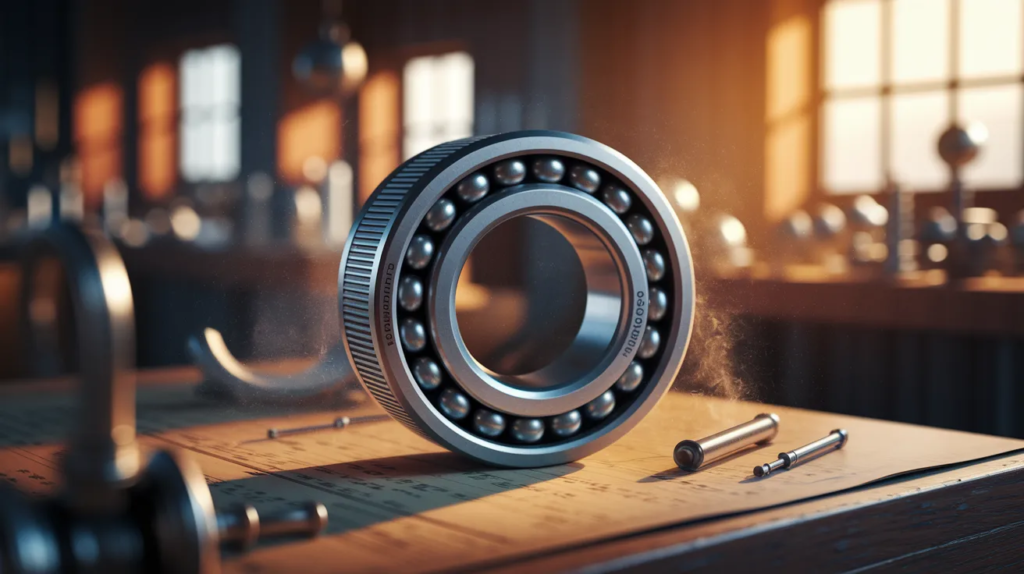
The 2RSB9053 is designed to handle both radial and axial loads, making it highly versatile for mechanical and industrial applications. Radial loads act perpendicular to the bearing shaft, such as in rotating wheels or conveyor rollers, while axial loads act along the shaft axis, commonly found in thrust-bearing scenarios.
The dual-seal design ensures that even under high stress, the lubricant remains trapped, reducing wear and heat. Manufacturers typically specify maximum dynamic and static loads for each bearing, which engineers must adhere to for safe operations. Proper load management ensures the bearing performs reliably, maintains rotational accuracy, and minimizes early failures, even in high-speed or high-duty industrial applications.
Temperature and Environmental Resistance
One of the key advantages of the 2RSB9053 bearing is its temperature and environmental resilience. The bearing can typically operate between –30°C and +120°C, depending on the elastomer seal material and grease type. Rubber seals like NBR or FKM retain flexibility under cold conditions and resist deformation under high heat.
This capability allows the 2RSB9053 to be used in outdoor machinery, automotive engines, robotics, and industrial equipment exposed to dust, moisture, or oil. High environmental resistance translates to longer service life, reduced maintenance intervals, and lower operational costs, especially in harsh conditions where unsealed bearings would fail prematurely.
Materials and Engineering Design
The performance of 2RSB9053 depends heavily on the quality of materials and precision engineering. The inner and outer races are usually made from high-grade chrome steel (GCr15) or stainless steel for corrosion resistance and wear durability. The rolling elements are heat-treated to reduce fatigue, while the cage, which separates and guides the balls, is often made of steel or reinforced polymer. Seals are crafted from high-performance elastomers resistant to oil, heat, and chemical exposure. This combination of high-quality materials ensures consistent load handling, low friction, vibration reduction, and reliable operation across diverse applications.
Installation and Handling Guidelines
Proper installation is critical to maintaining 2RSB9053’s optimal performance. Bearings must be installed in clean, debris-free environments to prevent contamination. Force should only be applied to the inner race during press-fit procedures to avoid damaging the seals. Misalignment can cause uneven stress distribution, leading to premature wear or failure.
For systems operating in high-speed or high-load scenarios, engineers should follow manufacturer-specified tolerances and inspection protocols. Proper handling, including avoiding impacts, dust exposure, and contamination, ensures that the bearing maintains its durability, low maintenance advantage, and rotational precision.
Maintenance Practices for Longevity
While 2RSB9053 bearings are designed to be low-maintenance, regular monitoring improves reliability. Observing temperature, vibration, and noise can reveal early signs of wear or misalignment. Although the double-sealed design retains lubrication, high-duty applications may benefit from occasional inspection or cleaning of surrounding components.
Replacing the bearing proactively at the first signs of unusual wear prevents downtime and protects other machinery parts. Following proper maintenance protocols significantly extends service life and reduces overall operational costs, particularly in industrial production lines, robotics, and automotive systems.
Comparative Analysis With Standard Bearings
Compared to standard open bearings, 2RSB9053 offers extended lifespan, improved lubrication retention, and protection from contaminants. While open bearings may have slightly lower initial friction, they require frequent maintenance and are more susceptible to environmental damage.
Single-seal (1RS) bearings provide some protection, but double-sealed bearings like 2RSB9053 deliver superior performance in demanding industrial or automotive applications. Engineers often choose 2RSB9053 in high-reliability systems where downtime is costly and consistent rotation under varied loads is critical.
Real-World Industrial Case Studies
- Automotive Manufacturing: 2RSB9053 is used in steering assemblies and alternators, where its sealed design prevents dust and moisture ingress, reducing service frequency.
- Robotics: Robotic arms in assembly lines rely on these bearings for precision and smooth motion, withstanding continuous multi-directional loads.
- Conveyor Systems: Industrial conveyors benefit from 2RSB9053 for low-friction, low-maintenance rotation, improving throughput.
- Aerospace Components: Flight control actuators use sealed bearings for high reliability and vibration resistance, ensuring safety.
- Home Appliances: Motors in washing machines and HVAC systems utilize these bearings for quiet, long-lasting operation.
Advantages of Using 2RSB9053
- Maintenance-Free Design: Reduces labor and downtime.
- Contamination Resistance: Rubber seals keep dust and moisture out.
- Extended Lifespan: High-quality materials withstand high loads and rotational stress.
- Precision Performance: Low vibration and accurate rotation.
- Multi-Environment Suitability: Functions across temperature ranges and harsh conditions.
Limitations and Considerations
- Higher initial cost than open bearings.
- Slightly higher startup friction due to seals.
- Limited temperature range depending on seal material.
- Requires correct installation to avoid misalignment.
- Not ideal for ultra-high-speed or extremely high-temperature applications without special grease.
Future of Sealed Bearings Like 2RSB9053
The future of 2RSB9053 and similar bearings includes smart, sensor-embedded versions that monitor load, temperature, and vibration in real time. Materials may evolve to include advanced composites and polymers that further reduce weight while maintaining strength.
Predictive maintenance using IoT integration will allow engineers to preempt failures, improving uptime. These trends indicate that bearings like 2RSB9053 will remain essential, combining durability, precision, and intelligent monitoring for next-generation industrial, automotive, and robotics systems.
Final Words
The 2RSB9053 bearing stands out as a dependable, high-performance solution for modern mechanical and industrial systems. Its dual rubber sealing, low-friction design, and durable steel construction make it ideal for environments where reliability, efficiency, and minimal maintenance are essential.
From factory automation and conveyor systems to precision motors and robotics, 2RSB9053 supports smooth operation while reducing downtime and wear. Choosing the right bearing directly impacts machine lifespan and performance, and this model delivers consistent results in real-world applications. With proper installation and load management, 2RSB9053 offers long-term operational value and cost efficiency.
FAQs (2RSB9053)
2RSB9053 is commonly used in industrial machinery, motors, conveyors, and automation systems requiring sealed, low-friction performance.
“2RS” indicates dual rubber seals that protect the bearing from dust, moisture, and contaminants.
Yes, its low-friction design supports stable performance in moderate to high-speed rotating systems.
It is pre-lubricated and maintenance-light, reducing service frequency in most applications.
Proper installation, correct load alignment, and avoiding over-speed or contamination significantly extend its service life.
Disclaimer:
This content on 2RSB9053 bearings is for informational and educational purposes only. While every effort has been made to ensure accuracy, specifications, applications, and maintenance guidelines may vary by manufacturer. Readers should independently verify all technical details and consult certified engineers or official datasheets before making purchasing, installation, or operational decisions. This article does not constitute professional engineering advice and should not replace manufacturer recommendations.
You May Also Like: YWMLFZ 48W Cordless – The Ultimate Power Tool for Any Job
For More Information, visit newsreflect
About the Author


