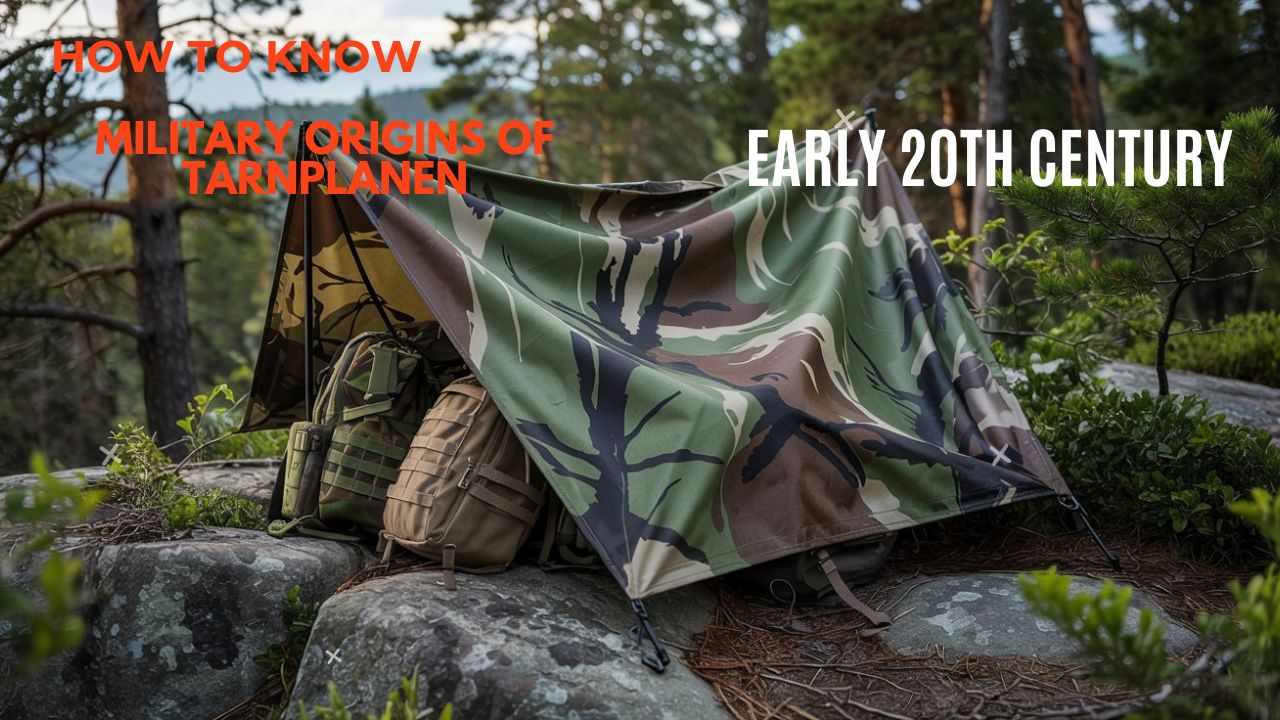
Tarnplanen
Ever found yourself outdoors needing protection from the elements while staying hidden from view? Whether you’re camping deep in the wilderness, hunting game, or working on a tactical operation, having the right cover matters. That’s where Tarnplanen comes in, a specialized camouflage tarpaulin that combines concealment with weather protection in ways regular tarps simply can’t match.
In today’s articles, we explore Tarnplanen might sound like technical jargon, but it’s actually quite simple once you understand it. Think of it as your invisible shield, tough enough to handle harsh weather, smart enough to help you blend into your surroundings. In this comprehensive guide, we’ll explore everything you need to know about these versatile coverings, from their military origins to modern outdoor applications.
What Is Tarnplanen?
The word “Tarnplanen” comes from the German language, combining “Tarn,” meaning camouflage, and “Planen,” meaning tarpaulins or covers, which together translate to “camouflage tarpaulins” or “camouflage sheets”.
These are strong fabric covers designed to conceal and provide protection in outdoor areas, used in military, outdoor, and tactical situations for concealment and protection. Unlike your standard blue or green tarp from the hardware store, Tarnplanen features specialized patterns designed to make you—or your gear disappear into natural environments.
The beauty of Tarnplanen lies in its dual purpose. Unlike ordinary tarps, which come in plain colors, these are patterned to mimic forests, deserts, snow, or mixed environments. You get both practical weather protection and visual concealment in one package.
The Military Origins of Tarnplanen
From Battlefield to Backwoods
Tarnplanen have a rich history that dates back to military use, primarily developed for camouflage purposes in the early 20th century, with military forces quickly recognizing the advantages of these tarpaulins, which helped troops blend into various terrains while providing essential cover and protection.
Initially intended for military applications, tarnplanen were used to conceal personnel, equipment, and supplies. During wartime, hiding valuable resources from enemy reconnaissance, whether aerial surveillance or ground patrols could mean the difference between mission success and failure.
Many NATO and German military surplus Tarnplanen are still in use today, with these military-grade tarps being strong, long-lasting, and made with advanced camouflage designs. The military’s investment in quality and effectiveness created standards that civilian versions now follow.
Evolution of Materials and Technology
As technology advanced, so did the materials used in tarnplanen, with early versions often made from heavy canvas or cotton, limiting their portability and versatility, but synthetic fibers emerged as game-changers, making them lighter yet more durable than ever before.
The introduction of digital printing transformed how these materials could be used across various environments. Today’s patterns aren’t just painted on—they’re engineered using scientific understanding of how human and animal vision works.

Materials That Make Tarnplanen Special
Fabric Choices
Tarpaulins are made from tough materials such as PVC, canvas, and ripstop fabric, built to resist tearing, fading, and damage from harsh outdoor use. Each material brings specific advantages:
Ripstop Fabric: Features a special weave that prevents small tears from expanding. One small puncture won’t ruin your entire tarp.
PVC-Coated Tarps: Are smooth, easy to clean, and strong against moisture and dirt. Perfect for wet environments where mold and mildew pose concerns.
Canvas Tarnplanen: Feels soft but still handles rough weather and heavy outdoor use. Canvas breathes better than synthetic alternatives, reducing condensation buildup.
Typically made of heavy-duty polyethylene or nylon blends, these tarpaulins offer robust protection in harsh outdoor environments. The choice directly influences longevity and how well the tarp performs under stress.
Weather Resistance Features
Many Tarnplanen include waterproof or water-resistant layers for added weather protection, able to block rain, shield against wind, and withstand the heat of strong sunlight.
Their waterproof nature ensures that rain and moisture do not seep through, keeping belongings dry underneath. This feature becomes critical during extended outdoor stays when everything that stays dry matters.
Moreover, tarnplanen often incorporate UV-resistant coatings, which prevent fading and degradation from sun exposure. Without UV protection, even the toughest fabric deteriorates over time.
Practical Applications of Tarnplanen
Military and Tactical Operations
Military forces use tarnplanen to cover gear, vehicles, and camps from enemy view, helping soldiers stay hidden during missions in forests, deserts, or urban areas and blocking the view from drones, aircraft, or enemy ground patrols.
In defense and tactical training, Tarnplanen are used for concealment of equipment, vehicles, or personnel, with their patterns helping blend into terrain and reducing visibility to the enemy.
Hunting and Wildlife Observation
Wildlife observation sees Tarnplanen gaining traction, with photographers and researchers utilizing it for blending into natural settings without disturbing local fauna.
Hunters and photographers rely on Tarnplanen to remain unnoticed while waiting for game or observing wildlife. The camouflage pattern prevents animals from spotting human shapes, while the fabric protects from rain and wind.
Camping and Outdoor Recreation
Campers use Tarnplanen as quick shelters, ground mats, or makeshift tents, with their waterproofing ensuring dry rest even during heavy rainfall.
On cold days, you might want to think about tarnplanen as a windbreak, as with careful placement it may elevate the comfort level of any picnic. The versatility means you can adapt it to whatever nature throws your way.
The lightweight design enhances portability while maintaining sturdiness—a critical aspect for anyone looking to travel light yet prepared.
Construction and Industrial Use
On construction sites, tarnplanen is used to cover scaffolding, cement bags, and tools, keeping dust, debris, and rain from damaging materials.
Truck drivers use tarnplanen to cover goods while transporting them over long distances, and households use it to protect furniture, cars, and equipment during storage.
Agricultural and Gardening Applications
Farmers use tarnplanen to cover harvested crops, hay, or soil beds, while gardeners find it useful for shielding plants from frost or excessive sun. The breathable canvas versions work particularly well here, preventing moisture buildup that could damage crops.
How to Choose the Right Tarnplanen
Size Considerations
When searching for the ideal tarnplanen, the size of the tarp should be your primary consideration, as campsites might be of all sizes, so it’s important to think about how you’ll be using the space.
Measure what you need to cover and add extra footage for securing and staking. A tarp that’s too small leaves gear exposed; one that’s too large becomes cumbersome to handle.
Material Selection
Material considerations are crucial, as different materials provide different levels of resistance to water and other forms of wear and tear.
The effectiveness of a tarnplanen depends largely on the material, with polyethylene (PE) being affordable, lightweight, and waterproof, ideal for casual use; PVC (polyvinyl chloride) being stronger and more durable, often used in heavy-duty tarnplanen; and canvas being natural and breathable, commonly treated with coatings for water resistance.
Weight and Portability
The tarp’s weight is another factor to think about; a lighter tarp will be more manageable to carry, whether hiking or camping. Balance weight against durability—ultralight options sacrifice some toughness for easier transport.
Color and Pattern Matching
Color is also important; choose shades that blend in with your surroundings for optimal camouflage. Consider your primary environment and select accordingly. If you operate in multiple terrains, a neutral or multi-environment pattern works best.
Assembly and Securing Features
Consider the simplicity of assembly; when time is of the essence on outdoor trips, search for elements that allow for rapid anchoring, such as grommets or loops.
Tarnplanen have firm edges and grommets to make tying or hanging much easier. Quality grommets don’t tear out under tension check reinforcement around these stress points before purchasing.
Key Benefits of Using Tarnplanen
Superior Weather Protection
These tarps provide robust protection from rain, wind, sunlight, and varying weather conditions, with waterproof layers and tight weaves helping keep people and equipment dry and safe.
Tarnplanen also blocks harmful UV rays, helping gear last longer in the sun. Prolonged sun exposure degrades equipment faster—UV protection extends the life of everything underneath.
Concealment Advantage
Unlike regular tarps, Tarnplanen come in camouflage patterns to hide gear or shelters. This concealment serves multiple purposes privacy at campsites, hiding valuable equipment from theft, or blending into nature for wildlife observation.
Durability and Longevity
They are strong enough to handle rough use, sharp edges, and extended outdoor exposure. The reinforced construction means these tarps withstand conditions that would destroy cheaper alternatives.
Tarnplanen is long-lasting, built to handle rough handling and repeated use. The initial investment pays off through years of reliable service.
Versatility
They can serve as ground covers, rain shelters, tents, windbreaks, or gear covers. One piece of equipment serves multiple functions, reducing the amount of gear you need to carry.
Proper Care and Maintenance
Cleaning Your Tarnplanen
The cleaning process is simplebgently wash the area with gentle soap and water to remove any dirt or debris, but do not use strong chemicals since they may cause the material to deteriorate with time.
Wash gently with water and mild soap. Harsh detergents or bleach can break down protective coatings and weaken fabric fibers.
Drying and Storage
It is imperative that the tarp be totally dry before storing it, as mold and mildew thrive in damp environments and can completely degrade a structure’s aesthetics and practicality.
Always dry it before storage to avoid mold, and store it in a cool, dry place when not in use. Proper storage extends tarp life significantly.
Damage Prevention
Avoid dragging it across rough ground. Sharp rocks, thorns, or rough surfaces cause unnecessary wear. When moving your tarp, lift and carry it rather than dragging.
Repairs
Look for damage or wear on the tarp after each use, keeping an eye out for any damage that can ruin its ability to blend in, such as holes, ragged edges, or tears.
Patch up small tears quickly to prevent them from expanding. Repair kits designed for the specific material work best. Address damage immediately—small problems become big ones if ignored.
Tarnplanen vs. Regular Tarps
While both serve as protective covers, Tarnplanen offer unique advantages, including camouflage for concealment, making them suitable for tactical or hunting purposes, durability through reinforced construction compared to lightweight plastic tarps, and specialized use as Tarnplanen adapt to outdoor survival needs, not just covering objects.
Regular tarps work fine for basic coverage needs—protecting firewood, covering a boat, or creating shade. But when concealment matters, when you need military-grade durability, or when blending into your environment provides tactical or practical advantages, Tarnplanen justifies its higher cost.
Environmental Considerations
With growing environmental awareness, manufacturers now produce eco-friendly tarnplanen made from recyclable or biodegradable materials, with canvas and treated natural fabrics being great options for people who want sustainable protection solutions.
Modern manufacturers are beginning to produce eco-conscious Tarnplanen using recycled polyester or biodegradable coatings, a trend that addresses environmental concerns while maintaining durability and effectiveness.
Choosing sustainable options doesn’t mean sacrificing performance. Many eco-friendly versions match or exceed traditional materials in durability while reducing environmental impact.
Future of Tarnplanen Technology
As outdoor and tactical gear evolves, Tarnplanen are expected to feature smart fabrics with thermal insulation, infrared-reducing patterns for advanced concealment, lightweight composites that remain stronger than current materials, and integration with modular shelters, making them even more versatile.
Technology continues to improve these already impressive tools. Future versions might incorporate materials that adapt their camouflage pattern electronically or provide even better protection across multiple detection spectrums.
Conclusion: Why Tarnplanen Matters
Tarnplanen are more than just tarps—they are reliable companions for survival, military, and outdoor lifestyles, with their ability to blend into natural environments, withstand harsh weather, and serve multiple functions making them indispensable.
Whether you’re a serious outdoorsman, a tactical professional, a hunter, or simply someone who appreciates quality gear, understanding Tarnplanen opens new possibilities. These specialized coverings represent decades of military innovation now available for civilian use. They combine concealment, protection, and durability in ways ordinary tarps simply can’t match.
From construction sites and transport to camping and gardening, tarnplanen offers unmatched protection against weather and wear. The versatility means your investment serves multiple purposes across different seasons and activities.
When you invest in quality Tarnplanen and maintain it properly, you’re getting equipment that could last decades. That longevity, combined with the practical advantages of camouflage and weather protection, makes Tarnplanen a smart choice for anyone serious about outdoor gear.,
Related Stories: Kalidcan: The Brand Redefining Quality and Innovation
FintechZoom Russell 2000: Your Smart Guide to Small-Cap Investing
About the Author


