
Russia China Joint Naval Pacific
Introduction
The strategic cooperation between Russia and China in the Pacific Ocean has been rapidly gaining attention in recent years. Known as the Russia China Joint Naval Pacific alliance, this growing partnership encompasses joint naval drills, patrols, and various military activities. This collaboration is not only a testament to the two nations’ military might but also a strategic move to counterbalance other global powers, particularly in the Asia-Pacific region.
In Today’s articles, we will explore the significance of the Russia China Joint Naval Pacific, how it works, why it’s happening, and its implications on regional and global security. Whether you’re interested in military strategy, international relations, or geopolitics, this deep dive will provide you with a comprehensive understanding of this evolving partnership. Lets gets started!
What is the Russia China Joint Naval Pacific Cooperation?
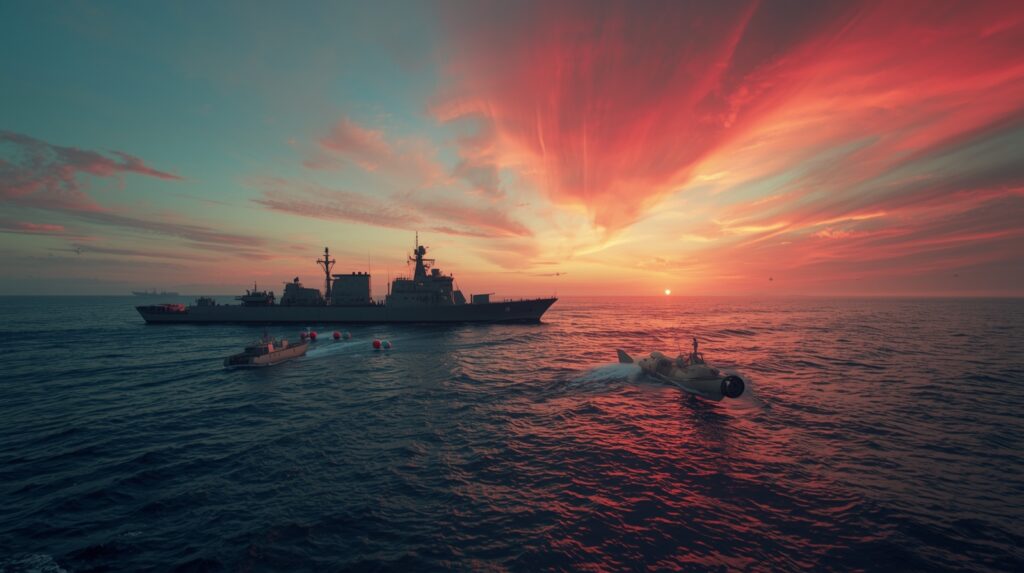
The term Russia China Joint Naval Pacific refers to the coordinated naval activities carried out by Russia and China within the Pacific Ocean region. This partnership is built on a series of shared military operations, including joint naval drills, patrols, and other maritime activities.
Key Components of the Russia-China Naval Cooperation:
- Joint Naval Drills: These exercises typically include live-fire artillery, anti-submarine warfare (ASW), air defense, and other combat-related drills. The goal is to enhance operational coordination and improve military readiness.
- Joint Patrols: The navies of Russia and China often conduct patrols together, covering large swathes of the Pacific Ocean. This helps to project power, demonstrate capabilities, and strengthen their presence in the region.
- Strategic Signaling: The cooperation is also designed to send a message to other nations, signaling that Russia and China can operate together on a global scale, making their naval forces more formidable and capable.
Why is Russia China Naval Cooperation Important?
There are several motivations behind this growing alliance between Russia and China. These include strategic, military, and geopolitical factors that extend far beyond mere collaboration at sea.
1. Strengthening Military Interoperability
One of the primary objectives of this cooperation is to enhance the ability of the two countries’ naval forces to operate together. By practicing together, Russian and Chinese forces improve their ability to collaborate in real-world combat scenarios, even though they come from different military doctrines, languages, and equipment systems.
For instance, joint anti-submarine exercises and air defense operations help build trust and improve the performance of both navies in joint missions.
2. Projecting Military Power in the Pacific
The Pacific Ocean is a critical region for global trade and security. By conducting joint operations, Russia and China project their naval power in the region, signaling to other countries that they are capable of asserting influence and protecting their interests. Joint patrols across vast distances demonstrate the two countries’ ability to operate far from their home ports, giving them a stronger presence in the Pacific.
3. Countering Western Influence
Both Russia and China face growing military and political pressure from the West, particularly from the United States and its allies in the Asia-Pacific region. Through their joint naval cooperation, they aim to counterbalance U.S. military presence and establish a more significant naval presence to protect their interests. The alliance serves as a strategic response to NATO’s influence and to strengthen their respective positions in global affairs.
4. Improving Relations and Trust-Building
The partnership between Russia and China is not just about naval power but also about building trust. Through collaborative military exercises and missions, both countries improve their bilateral relationship, creating a more secure and cooperative foundation for future joint efforts.
How Does the Russia-China Joint Naval Cooperation Work?
The collaboration between Russia and China in the Pacific Ocean is built on a series of structured operations and strategic planning. Let’s break down the major components and logistics that make this cooperation possible.
1. Locations and Areas of Operation
The Russia China Joint Naval Pacific partnership primarily focuses on regions such as:
- Sea of Japan (East Sea): A vital area where many joint drills and patrols take place. The proximity to both countries’ borders makes it a critical strategic point.
- Pacific Ocean Waters: The partnership frequently spans vast stretches of the Pacific, highlighting both countries’ ability to project power over long distances.
These regions are not only geographically significant but also hold strategic importance due to their proximity to maritime trade routes and politically sensitive areas.
2. Types of Drills and Exercises
The joint naval exercises typically cover a wide range of military operations, including:
- Live-Fire Drills: These exercises test the warships’ and submarines’ abilities to fire at both sea and air targets. They help ensure combat readiness and improve gunnery skills.
- Anti-Submarine Warfare (ASW): This involves joint operations to detect and neutralize submarines, which is crucial for maintaining maritime security and preventing potential threats.
- Air Defense Operations: Joint training in air defense ensures that both navies can defend against aerial threats, using a combination of warships and aircraft to safeguard each other’s assets.
- Search and Rescue Operations: These less-combat-focused missions ensure both navies can operate in remote locations and respond to emergencies quickly.
3. Joint Patrols
After completing drills, the two navies often engage in joint patrols across the Pacific, covering thousands of nautical miles. These patrols showcase Russia and China’s ability to maintain a continuous military presence and project power. Joint patrols also signal to other countries in the region that Russia and China are capable of managing the vast expanses of the Pacific Ocean together.
Implications for Regional and Global Security
The growing partnership between Russia and China carries significant implications for both the Pacific region and global security. Here’s how:
1. Shifting Regional Power Dynamics
Countries such as Japan, South Korea, and Australia are closely monitoring the Russia-China naval activities. The increased cooperation between these two military giants has already prompted some countries to reassess their naval strategies and military alliances. The growing presence of Russian and Chinese naval forces in the Pacific may lead to an arms race in the region as neighboring nations strengthen their own military capabilities.
2. Message to the United States and Allies
The Russia-China naval cooperation also serves as a message to the United States and its allies in the region. It signals that these two countries are aligning more closely in the maritime domain, challenging U.S. dominance in the Pacific. While both nations insist their military drills are not directed at any third party, their combined presence is seen as a subtle challenge to the West’s influence.
3. Increased Geopolitical Tensions
As Russia and China continue to expand their naval cooperation, there is potential for heightened geopolitical tensions. The U.S. and other Western countries may increase their military presence in the Pacific in response, which could lead to more competition and possible conflict in contested maritime areas. This could trigger a broader strategic shift, influencing future alliances and military strategies.
4. Expansion of China’s Blue-Water Navy
For China, this collaboration with Russia aligns with its ambition to develop a “blue-water navy,” capable of operating across the globe’s oceans. Joint operations with Russia enable China to demonstrate its growing military power and readiness for extended global deployments.
5. Russia’s Naval Presence in Asia-Pacific
For Russia, the Pacific fleet partnership with China is an opportunity to increase its presence in the Asia-Pacific region, an area of growing strategic importance. These joint operations also help to extend Russia’s influence in the region, securing its maritime interests and providing more leverage in global diplomatic discussions.
What’s Next for the Russia-China Naval Cooperation?
As the Russia China Joint Naval Pacific alliance continues to develop, it’s clear that the future holds significant changes for global naval dynamics. Key developments to watch include:
- Increased Frequency of Joint Drills: With each passing year, the frequency of these exercises is likely to increase, signaling an even stronger commitment to the partnership.
- Further Expansion into the Indian Ocean: Both countries may begin to extend their naval presence beyond the Pacific, moving into other strategic maritime areas.
- Growing Technological Integration: Future joint operations may involve cutting-edge technology, including unmanned systems, advanced surveillance techniques, and improved submarine detection methods.
Conclusion
The Russia China Joint Naval Pacific cooperation is reshaping the geopolitical landscape in the Asia-Pacific region and beyond. Through their joint drills, patrols, and strategic signaling, Russia and China are not only improving their military capabilities but also sending a clear message to the world about their growing alliance.
The significance of this partnership cannot be underestimated, as it has the potential to affect regional power dynamics, influence global security policies, and even alter the future of naval warfare. As this partnership continues to evolve, countries across the Pacific and beyond will need to closely monitor these developments and adapt their own strategies accordingly.
Related Stories: Doge Software Licenses Audit HUD: Complete Guide in Open Source Compliance
New Software 418dsg7: Revolutionary Digital Solution Guide
About the Author


