
Pesos a Dólares
Introduction: Understanding Pesos a Dólares
Converting Pesos a Dólares is a common financial activity for travelers, investors, businesses, and students. Many people see the phrase and feel confused because it sounds technical, but it’s actually simple. The term refers to converting the value of a peso into U.S. dollars (USD), which helps you know exactly how much your money is worth in dollars. This is crucial for budgeting, business transactions, remittances, and investment decisions. The concept applies to different types of pesos, including the Mexican peso (MXN), Argentine peso (ARS), and Philippine peso (PHP). Understanding how this works saves time, reduces mistakes, and ensures you make the most of your money.
What Does Pesos a Dólares Mean?
At its core, Pesos a Dólares means exchanging pesos for U.S. dollars. It is the most commonly searched currency conversion online. A “peso” is a currency unit used in multiple countries, while “dólar” refers to the U.S. dollar. The process involves calculating how much one peso is worth in dollars based on the current exchange rate.
These rates fluctuate constantly because of global market conditions, economic policies, and international trade. For example, if 1 Mexican peso equals 0.056 U.S. dollars, then converting 1,000 pesos results in 56 USD. Knowing this helps both individuals and businesses plan finances, pay bills, or manage travel expenses. It also allows investors to make informed decisions when trading currencies or analyzing international investments.
Pesos a Dólares – Quick Reference Table
| Aspect | Explanation |
|---|---|
| Full Term | Pesos to U.S. Dollars |
| Purpose | Show how much pesos are worth in USD |
| Currency Types | MXN, ARS, PHP |
| Used By | Travelers, businesses, investors |
| Tools | XE, Wise, Banks, ATMs |
| Fees | Service charges, markup, ATM fees |
| Risks | Rate fluctuations, hidden charges |
| Best For | Budgeting, travel, payments, investments |
Why People Need to Convert Pesos to Dollars
People convert Pesos a Dólares for several real-life reasons. Travelers going to the U.S. need dollars for expenses like hotels, transport, and shopping. Businesses that trade internationally often convert payments to settle invoices in dollars. Many workers send remittances back to their home countries, converting local earnings into dollars. Investors also convert currency to diversify portfolios or take advantage of global market opportunities. Without understanding the conversion, people risk losing money due to poor rates or fees. Using tools and real-time rates ensures accurate calculations. Whether it’s personal budgeting, international transactions, or investing, converting pesos to dollars is an essential financial skill in today’s interconnected economy.
Understanding Exchange Rates
The exchange rate determines how much a peso is worth in U.S. dollars at any given time. It reflects supply and demand for the currency, government policies, inflation rates, and global economic trends. Exchange rates are not fixed and can fluctuate throughout the day. For example, 1 Mexican peso might equal 0.056 USD on one day and 0.057 USD the next. These small changes can affect large transactions, making accurate calculation essential. Tools like currency converters or bank calculators use live exchange rates to provide precise conversions. Understanding exchange rates helps you know when to convert money for maximum value. It also prevents unexpected losses during international transactions or remittance transfers.
How to Convert Pesos to Dollars Manually
Converting pesos to dollars manually requires a simple formula: divide the amount in pesos by the current exchange rate. For example, if you have 1,800 pesos and the exchange rate is 18 pesos per dollar, dividing 1,800 by 18 gives you 100 dollars. This method works for any amount. It is important to ensure you use the latest rate, as older rates can produce inaccurate results. Manual conversion is useful for quick planning, budgeting, or verifying online tools. Keeping track of fluctuations allows you to decide when to convert for better value. With a basic understanding of this formula, anyone can calculate their money in dollars without relying on apps or banks.
Real-Life Examples of Pesos to Dollar Conversion
Let’s say the exchange rate is 1 MXN = 0.056 USD. If you have 500 pesos, the calculation is 500 × 0.056 = 28 USD. For 1,000 pesos, it equals 56 USD. For 2,500 pesos, it becomes 140 USD. These examples show how your money translates into dollars in practical terms. Similarly, converting Argentine or Philippine pesos uses the same approach, but the exchange rate will be different. Real-life application of these conversions helps travelers plan budgets, businesses manage payments, and individuals calculate remittances accurately. Knowing the exact value also prevents over- or underestimating your spending power when dealing with international currency.
Tools and Online Converters
Using online tools makes converting Pesos a Dólares faster and more accurate. Websites like XE, Wise, and exchange-rates.org provide real-time rates, calculators, and charts for multiple currencies. These platforms also show historical trends to help users predict fluctuations. Mobile apps from banks or financial services allow instant conversions anywhere. Online converters also account for decimals and rounding, reducing errors in manual calculations. For travelers, online tools can even estimate costs in local currency while abroad. Using reliable platforms ensures that your conversions are accurate and reduces the risk of losing money due to outdated rates.
Understanding Fees and Markups
Converting currency is rarely free. Banks, ATMs, and currency exchange services often charge fees or apply a small markup to the exchange rate. For example, an airport exchange desk might offer a worse rate than your local bank. Online platforms may charge service fees or transfer fees when sending money internationally. Knowing these fees allows you to calculate the true amount you will receive in dollars. Comparing multiple services before converting can save significant money, especially for large transactions. Always ask for the total cost including fees to ensure transparency and avoid surprises.
Historical Fluctuations of the Peso
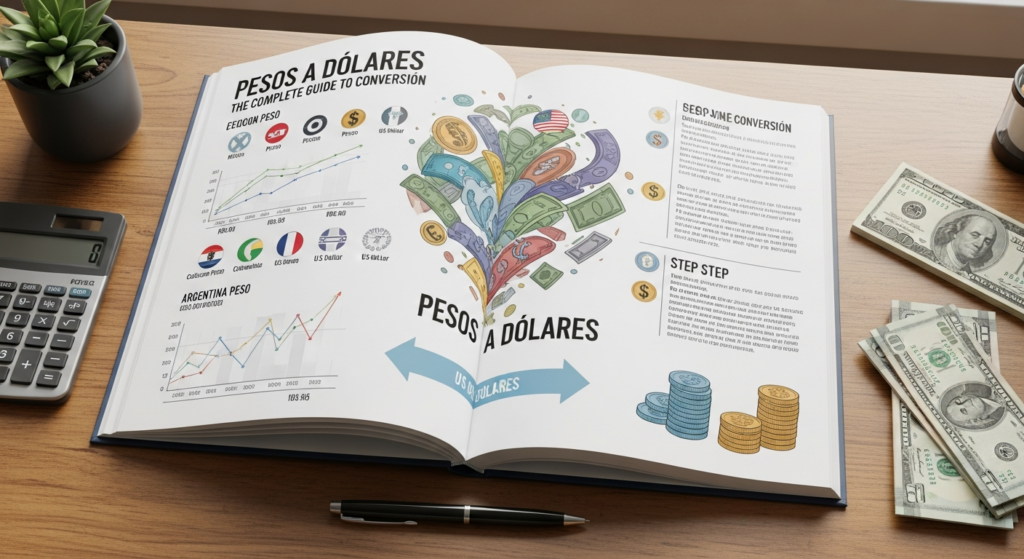
Over time, the value of pesos fluctuates due to economic conditions. For instance, the Mexican peso has experienced periods of strengthening or weakening against the U.S. dollar based on trade balances, inflation, and government policy. Similarly, Argentine pesos have historically shown high inflation, making the conversion rate very different from other countries. Understanding these trends helps investors and travelers predict potential changes in conversion rates. Historical data also provides insights into market stability and risk. Tools like charts from financial websites allow tracking past performance to make informed decisions.
Different Pesos Around the World
Not all pesos are equal. Mexican pesos (MXN) are widely used internationally and are often the focus of “Pesos a Dólares” searches. Argentine pesos (ARS) have lower relative value due to inflation. Philippine pesos (PHP) have different exchange rates and purchasing power. Each currency has its own rules, historical context, and value trends. When converting, always specify which peso you are using to avoid mistakes. Understanding these differences is crucial for travelers, businesses, and investors dealing with multiple countries.
Common Mistakes in Currency Conversion
Many people make mistakes when converting pesos to dollars. Using outdated exchange rates, ignoring fees, or not checking reliable sources are common errors. Travelers may exchange money at poor rates in tourist areas. Businesses may miscalculate due to rounding errors. Avoiding these mistakes requires double-checking rates, using official or trusted platforms, and understanding all applicable fees. Correct calculation ensures accurate budgeting, proper remittances, and fair business transactions.
Practical Tips for Travelers
Travelers converting pesos to dollars should plan in advance. Using bank ATMs abroad can offer competitive rates. Carrying a small amount of cash for immediate needs while relying on debit or credit cards can reduce fees. Monitoring exchange rates before departure allows converting money at favorable times. Travelers should also consider local taxes or service charges when using money exchange services. Being informed ensures smooth travel and reduces surprises in spending power.
Practical Tips for Businesses
Businesses converting pesos for international trade need precise calculations. Using real-time exchange rates for invoicing ensures accurate payments. Planning currency conversion in advance can minimize loss due to fluctuations. Many businesses use hedging strategies to lock in favorable rates. Accurate reporting of conversions also improves financial transparency and compliance. For international transactions, using reliable currency exchange platforms reduces risk and ensures predictable cash flow.
Investing and Currency Conversion
Investors converting pesos to dollars can diversify portfolios, hedge risks, or capitalize on global opportunities. Understanding exchange rates and trends is critical for evaluating returns. For example, an investment in Mexico may yield higher returns in pesos, but converting to dollars can reduce or increase gains depending on the rate. Tools like historical charts, online converters, and financial analysis software help investors make data-driven decisions. Knowledge of fees, timing, and rate fluctuations is essential for maximizing value.
Real-Life Examples
If the exchange rate is 1 MXN = 0.056 USD:
- 100 pesos = 5.6 USD
- 500 pesos = 28 USD
- 2,000 pesos = 112 USD
These examples show how much your money is worth in dollars and help with budgeting, planning trips, or managing payments.
Pros of Pesos a Dólares Conversion
The main advantages include clear understanding of value, better budgeting, precise financial planning, and informed investment decisions. Travelers and businesses avoid over- or underestimating spending power. Investors can assess returns accurately. Online tools reduce errors and save time.
Cons and Risks
Conversion carries risks such as fluctuating exchange rates, hidden fees, and miscalculations. Tourist exchange counters often give poor rates. Poor timing in conversion can lead to financial loss. Relying solely on one source may be risky. Awareness of these factors ensures safer conversions.
Conclusion
Converting Pesos a Dólares is a vital skill for travelers, businesses, and investors. It involves understanding exchange rates, fees, and historical trends. Accurate conversion helps plan budgets, avoid financial loss, and make informed decisions. Real-life examples, online tools, and careful monitoring ensure you get the best value for your money. Knowing which type of peso you are using and accounting for fees strengthens financial awareness. Mastering this conversion supports smarter spending, trading, and investing.
FAQs
“Pesos a Dólares” means converting pesos into U.S. dollars (USD). It shows how much your money in pesos is worth in dollars, using the current exchange rate.
Divide the amount in pesos by the current exchange rate. For example, 1,800 pesos ÷ 18 (exchange rate) = 100 USD. Online converters can make this calculation faster and more accurate.
The most common are Mexican pesos (MXN), Argentine pesos (ARS), and Philippine pesos (PHP). Each has its own value and conversion rate against the U.S. dollar.
Banks, ATMs, and exchange offices may charge service fees or mark up the rate. Always check the total cost before converting money.
Rates change due to supply-demand, inflation, government policy, trade, and global economic events. Monitoring rates helps you convert at the best time.
Yes, websites like XE, Wise, and exchange-rates.org provide live rates, calculators, and historical charts for accurate and real-time conversions.
Disclaimer:
This content is for educational and informational purposes only. Currency exchange rates, including Pesos a Dólares, fluctuate constantly, and examples here are illustrative. This article does not provide financial, investment, or legal advice. Always confirm current rates with official or trusted sources before making conversions or transactions. We are not responsible for any financial loss, errors, or decisions made based on this information.
You May Also Like: V5 Inc Exc PS: The Complete Easy Guide for Beginners and Investors
For More Information, visit newsreflect
About the Author


