
Diag Image
Imagine visiting a doctor with persistent pain, and within hours, they can see exactly what’s happening inside your body without making a single incision. That’s the power of diag image technology. It’s not science fiction it’s modern healthcare at its finest.
I’ve watched medical imaging evolve dramatically over the years. What once required exploratory surgery now takes minutes with advanced diagnostic imaging. This technology doesn’t just make diagnosis faster it makes it safer, more accurate, and significantly less invasive.
This comprehensive guide explores everything you need to know about diag image technology. Whether you’re a patient trying to understand your upcoming scan or simply curious about how doctors peer inside the human body, this article breaks down complex medical imaging into simple, understandable concepts.
What Is Diag Image Technology?
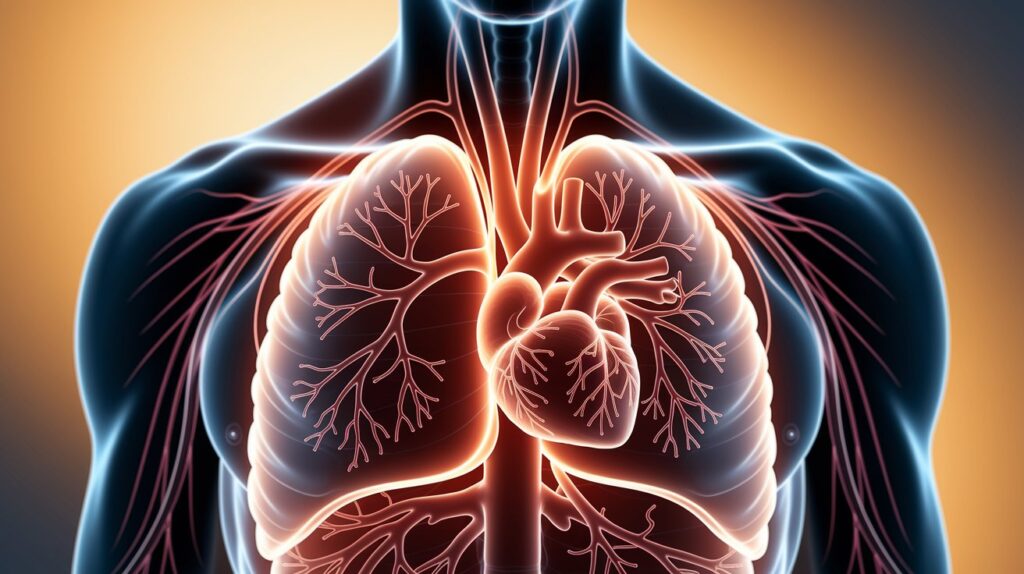
Diag image, short for diagnostic imaging, refers to the various techniques and equipment doctors use to create visual representations of what’s happening inside your body. Think of it as giving physicians a window into your internal structures bones, organs, tissues, and blood vessels without requiring surgery.
The technology has become so essential that modern medicine would struggle to function without it. According to healthcare industry studies, approximately 12 million Americans experience diagnostic errors annually, and imaging-related mistakes contribute significantly to this number. Advanced diag imaging technology helps reduce these errors substantially.
The Core Purpose
At its heart, diagnostic imaging serves three critical functions:
Detection: Finding problems that aren’t visible from the outside—tumors, fractures, blockages, or abnormalities.
Monitoring: Tracking how conditions progress or respond to treatment over time.
Guidance: Helping surgeons plan procedures or guide instruments during minimally invasive operations.
These functions make diag image technology indispensable across virtually every medical specialty.
Common Types of Diag Imaging: Understanding Your Options
Medical imaging isn’t one-size-fits-all. Different technologies excel at showing different body structures. Let’s break down the most common types you’re likely to encounter.
X-Rays: The Original Medical Imaging
X-rays remain the most widely used diagnostic imaging method. They use electromagnetic radiation to create images of dense structures like bones. When you’ve broken a bone or your dentist checks for cavities, you’re experiencing X-ray technology.
Best For: Bone fractures, dental problems, chest infections, and detecting some tumors.
Duration: Usually just seconds.
Radiation: Minimal exposure, considered safe for occasional use.
CT Scans: Detailed Cross-Sectional Views
Computed Tomography (CT) scans take X-ray technology further by capturing multiple images from different angles. A computer then combines these into detailed cross-sectional “slices” of your body.
Think of it like slicing a loaf of bread—each slice shows a different layer, giving doctors a three-dimensional understanding of what’s happening inside.
Best For: Detecting cancer, cardiovascular disease, internal injuries from trauma, and examining complex bone fractures.
Duration: Typically 10-30 minutes depending on the area being scanned.
Radiation: Higher than standard X-rays, but justified when detailed imaging is necessary.
MRI: The Soft Tissue Specialist
Magnetic Resonance Imaging (MRI) uses powerful magnets and radio waves instead of radiation. This technology excels at showing soft tissues like muscles, ligaments, the brain, and spinal cord.
Best For: Brain and spinal cord imaging, joint problems, soft tissue injuries, and detecting certain cancers.
Duration: 30-60 minutes, requiring you to lie very still inside a tube.
Radiation: None—uses magnetic fields instead.
Note: The machine makes loud banging noises, and you can’t have certain metal implants during MRI scans.
Ultrasound: Sound Waves Creating Images
Ultrasound technology uses high-frequency sound waves that bounce off internal structures. The returning echoes create real-time moving images.
Most people know ultrasound from pregnancy scans, but it has many other applications.
Best For: Monitoring fetal development, examining the heart (echocardiograms), checking abdominal organs like the liver and kidneys, and guiding needle biopsies.
Duration: 15-45 minutes.
Radiation: None—completely safe and non-invasive.
PET Scans: Tracking Metabolic Activity
Positron Emission Tomography (PET) scans involve injecting a small amount of radioactive material that highlights areas of high chemical activity in your body. Cancer cells, for example, consume more energy than normal cells, making them visible on PET scans.
Best For: Detecting cancer, monitoring cancer treatment effectiveness, and examining brain function.
Duration: 2-4 hours total, including preparation and scanning time.
Radiation: Yes, from the injected tracer material.
How Diag Image Technology Saves Lives Every Day
The real power of diagnostic imaging becomes clear when you see it in action. Let me share some real-world scenarios that demonstrate why this technology matters so much.
Cancer Detection and Monitoring
Early detection dramatically improves cancer survival rates. Mammograms detect breast cancer before lumps become noticeable. PET-CT scans show whether tumors are growing or shrinking during treatment. This information guides doctors in adjusting treatment plans quickly.
According to research published in The Lancet Digital Health, AI-enhanced diagnostic imaging systems now match or exceed human radiologists in detecting breast cancer during screening—a remarkable advancement that saves countless lives.
Stroke Treatment: Every Second Counts
When someone suffers a stroke, brain cells die rapidly without oxygen. CT scans can immediately identify whether the stroke resulted from a blood clot or bleeding. This distinction is critical because treatments differ dramatically—one requires blood thinners, the other absolutely cannot receive them.
Diag image technology enables doctors to make this life-or-death determination within minutes, allowing immediate appropriate treatment that can prevent permanent brain damage or death.
Orthopedic Injuries: Planning Perfect Repairs
Before surgery to repair complex fractures or joint damage, surgeons need detailed understanding of the injury. Advanced MRI and CT imaging provides precise measurements and three-dimensional views that allow surgeons to plan exact repair approaches.
This precision reduces surgery time, improves outcomes, and speeds recovery. Surgeons can even practice on 3D-printed models created from diag image data before touching the patient.
Cardiac Care: Seeing the Heart’s Highway
Coronary arteries supply blood to your heart muscle. When they narrow or block, heart attacks result. CT angiography creates detailed diag images of these vessels, showing blockages without requiring invasive catheterization procedures.
This non-invasive approach identifies problems early, allowing treatment before heart attacks occur.
Advanced Features That Make Modern Diag Imaging Powerful
Modern diagnostic imaging systems include sophisticated tools that go far beyond simple pictures.
Precision Measurement Tools
Radiologists need exact measurements for diagnosis and treatment planning. Current diag image systems include:
- Goniometry: Measuring angles in joints for orthopedic assessments
- Distance calculations: Measuring tumor sizes to track growth or shrinkage
- Area calculations: Determining the extent of damage or disease
- Volume measurements: Calculating organ sizes or mass volumes
These precise measurements remove guesswork from diagnosis and treatment planning.
Artificial Intelligence Integration
AI technology is transforming diag imaging by helping radiologists identify abnormalities they might otherwise miss. AI systems analyze thousands of images to detect patterns associated with specific conditions.
A 2020 study found that AI systems matched or outperformed human radiologists in breast cancer screening—not replacing doctors, but providing valuable second opinions that catch problems earlier.
3D Reconstruction and Visualization
Modern systems create three-dimensional models from two-dimensional scan data. Doctors can rotate these 3D images, zoom into specific areas, and even simulate surgical procedures before making the first incision.
This capability proves especially valuable in complex surgeries involving tumors near critical structures or reconstructive procedures after trauma.
What to Expect at a Diag Imaging Center
If your doctor orders diagnostic imaging, knowing what to expect reduces anxiety and helps you prepare properly.
Before Your Appointment
Follow Preparation Instructions: Some scans require fasting, drinking contrast material, or avoiding certain medications. Follow instructions carefully for best results.
Inform About Medical Conditions: Tell staff about pregnancy, claustrophobia, kidney problems, or metal implants. These factors may affect which imaging type you receive.
Wear Comfortable Clothing: Loose-fitting clothes without metal fasteners work best. You may need to change into a hospital gown.
During the Scan
Check-In Process: You’ll complete paperwork and answer health-related questions.
Technician Explanation: The imaging technician explains the procedure and answers questions.
The Actual Scan: Depending on the exam type, you’ll lie still, possibly hold your breath briefly, or follow specific movement instructions.
Duration Varies: Quick X-rays take seconds, while MRIs may require 30-60 minutes of stillness.
After Your Scan
Results Timeline: Most results reach your doctor within 24-48 hours, though urgent cases may be faster.
Patient Portals: Many facilities now offer online access where you can view your images and reports, promoting transparency and patient empowerment.
Follow-Up: Your doctor will discuss results and next steps during a follow-up appointment or phone call.
The Cost Reality of Diag Imaging
Healthcare costs concern everyone, and diagnostic imaging can be expensive. Understanding the financial aspect helps you make informed decisions.
Cost Factors
Imaging Type: X-rays cost less than MRIs or PET scans due to technology complexity.
Body Area: Scanning larger areas or multiple regions increases costs.
Facility Type: Hospital imaging departments typically charge more than independent imaging centers.
Insurance Coverage: Most insurance plans cover medically necessary imaging, though you may face copays or deductibles.
Managing Costs
Ask your doctor if different imaging types could provide needed information at lower cost. Shop around independent imaging centers often charge significantly less than hospitals for identical services. Verify insurance coverage before scheduling to avoid surprise bills.
Understanding Radiation Exposure
Some diag imaging methods use ionizing radiation, raising legitimate safety concerns.
Putting Radiation in Perspective
The radiation from a single chest X-ray equals about three days of natural background radiation we all receive from the environment. CT scans deliver higher doses but remain safe when medically justified.
According to the U.S. Food and Drug Administration, benefits of medically appropriate imaging far outweigh small radiation risks.
Minimizing Exposure
Modern equipment uses the lowest radiation dose possible while maintaining image quality. Facilities follow ALARA principles “As Low As Reasonably Achievable.”
Inform your doctor about recent imaging to avoid unnecessary duplicate scans. Pregnant women should inform technicians, as radiation can affect developing fetuses.
The Future of Diag Image Technology
Diagnostic imaging continues evolving rapidly, with exciting developments on the horizon.
AI and Machine Learning
Artificial intelligence will increasingly assist radiologists in detecting subtle abnormalities, predicting disease progression, and personalizing treatment recommendations based on imaging patterns.
Portable Imaging Devices
Miniaturization is making some imaging technologies portable. Handheld ultrasound devices now fit in pockets, bringing diagnostic capability to remote locations or emergency scenes.
Molecular Imaging
New techniques can visualize biological processes at molecular and cellular levels, detecting diseases even earlier than current methods allow.
Reduced Radiation
Ongoing innovations continue reducing radiation doses while improving image quality, making scans even safer.
FAQs About Diag Image Technology
Q1: How long does it take to get diag image results?
Most diagnostic imaging results reach your doctor within 24-48 hours. Emergency scans receive priority and may be interpreted within hours. Your doctor will contact you to discuss findings and next steps. Some facilities now offer patient portals where you can view images and reports directly once released.
Q2: Is diagnostic imaging safe during pregnancy?
It depends on the imaging type. Ultrasound is completely safe and commonly used during pregnancy. X-rays and CT scans involve radiation and are avoided unless absolutely medically necessary. MRI is generally considered safe after the first trimester. Always inform medical staff if you’re pregnant or might be pregnant.
Q3: Why are MRI machines so loud?
The loud banging noises come from electric current passing through metal coils in the machine’s magnetic field. These coils rapidly expand and contract, creating sound waves. Facilities provide earplugs or headphones to reduce noise. The sounds are normal and don’t indicate problems with the machine.
Q4: Can I eat before my diag imaging appointment?
This depends entirely on the scan type. X-rays typically don’t require fasting. CT scans with contrast often require not eating for several hours beforehand. MRI requirements vary by body area being scanned. Always follow the specific instructions provided when scheduling your appointment.
Q5: What’s the difference between a CT scan and an MRI?
CT scans use X-rays to create detailed images and work quickly, making them ideal for emergency situations and imaging bones. MRI uses magnetic fields and radio waves (no radiation) and excels at showing soft tissues like the brain, spinal cord, and joints. Your doctor chooses based on what needs to be examined and your specific medical situation.
Conclusion
Diag image technology represents one of modern medicine’s greatest achievements. It transformed healthcare from educated guessing to precise, visual diagnosis. From simple X-rays to sophisticated AI-enhanced scans, diagnostic imaging enables doctors to detect diseases early, monitor treatments effectively, and plan interventions with remarkable precision.
Whether you’re facing your first diagnostic scan or your fiftieth, understanding this technology helps you participate actively in your healthcare. These aren’t just medical procedures they’re powerful tools that save lives daily by revealing what our eyes alone cannot see.
The next time your doctor orders imaging, you’ll understand exactly why it matters and how it contributes to your care. That knowledge transforms anxiety into confidence, making you a true partner in your health journey.
Related Stories: Doge Software Licenses Audit HUD: Complete Guide in Open Source Compliance
Enhancing Domain Security with Advanced Entity-Attribute Modeling: A Comprehensive Guide
About the Author
