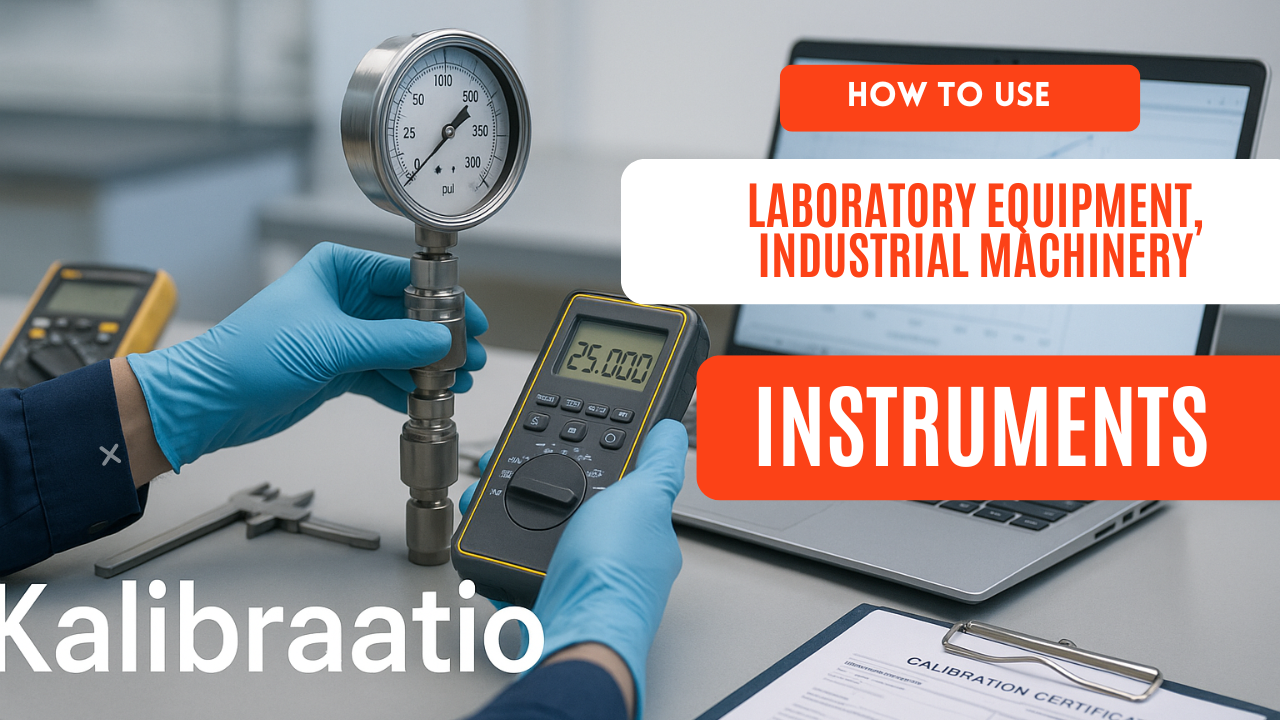
Accuracy matters in everything we measure. Whether you’re working with laboratory equipment, industrial machinery, or everyday instruments, one thing determines reliability: proper calibration. In Finnish, we refer to this process as “kalibraatio.” But regardless of language, the concept remains universal and critically important.
In today’s articles, I’ve worked with calibration processes across different industries. I’ve seen what happens when equipment drifts out of specification. I’ve also witnessed the peace of mind that comes from knowing your instruments are perfectly calibrated. This guide will walk you through everything you need to know about kalibraatio what it is, why it matters, and how to do it right. Lets gets started!
What is Kalibraatio: More Than Just Adjustment
Calibration isn’t simply adjusting a device until it shows the right number. It’s a systematic comparison between measurements from your instrument and measurements from a known, accurate reference standard. The goal is to establish the relationship between what your instrument reads and what the true value actually is.
Think of it like tuning a musical instrument. A guitar might sound okay when slightly out of tune, but a trained ear notices the difference. Similarly, an uncalibrated instrument might seem fine, but precise work requires exact accuracy. Kalibraatio ensures your instruments perform at their intended accuracy level.
The process involves documenting these comparisons. You’re not just fixing a problem, you’re creating a traceable record that proves your instrument’s accuracy. This documentation becomes crucial for quality management, regulatory compliance, and customer confidence.
Why Kalibraatio Cannot Be Ignored
Some people view calibration as an unnecessary expense or bureaucratic requirement. That perspective misses the bigger picture. Proper kalibraatio protects you from far more expensive problems down the line.
Quality Assurance and Product Reliability
Manufacturing depends on precise measurements. If your measuring tools are inaccurate, you’re building products to the wrong specifications. This leads to defects, customer complaints, and costly recalls. Regular calibration catches these issues before they multiply.
Regulatory Compliance
Many industries face strict regulations about measurement accuracy. Healthcare, pharmaceuticals, aerospace, and food production all require documented calibration records. Failing to maintain proper calibration can result in fines, legal issues, or loss of certification. The cost of compliance is always less than the cost of non-compliance.
Safety Considerations
Inaccurate measurements can create dangerous situations. Pressure gauges, temperature sensors, and flow meters protect people and equipment. When these instruments drift out of calibration, safety margins disappear. Regular kalibraatio isn’t just good practice, it’s a safety requirement.
Cost Efficiency
Poorly calibrated equipment wastes materials, energy, and time. You might be overusing ingredients, running processes too long, or producing defective units. These inefficiencies add up quickly. Calibration costs seem small compared to the waste they prevent.
Building Trust
Customers trust companies that demonstrate measurement accuracy. Calibration certificates show you take quality seriously. This trust translates to better business relationships, repeat customers, and competitive advantages.
Types of Kalibraatio Across Different Fields
Calibration requirements vary depending on the types of measurements and the relevant industry standards. Understanding these differences helps you implement appropriate procedures.
Laboratory Equipment Calibration
Scientific research demands extreme precision. Balances, pH meters, spectrophotometers, and chromatography systems require regular kalibraatio. Even small deviations can invalidate research results or diagnostic tests. Most laboratory accreditations mandate documented calibration schedules.
Industrial Instrument Calibration
Manufacturing environments use countless instruments pressure gauges, temperature controllers, flow meters, and dimensional measuring tools. Each serves a critical function in process control. Industrial kalibraatio often happens more frequently due to harsh operating conditions that accelerate instrument drift.
Medical Device Calibration
Healthcare equipment directly impacts patient safety. Blood pressure monitors, infusion pumps, defibrillators, and diagnostic imaging systems must meet strict accuracy standards. Medical device calibration follows rigorous protocols and regulatory oversight.
Environmental Monitoring Calibration
Weather stations, air quality monitors, and environmental sensors require accurate calibration to provide reliable data. This information influences everything from daily weather forecasts to long-term climate research.
Electrical and Electronic Calibration
Multimeters, oscilloscopes, signal generators, and power supplies need regular kalibraatio to ensure accurate electrical measurements. This is essential for electronics manufacturing, repair, and testing.
The Kalibraatio Process: Step by Step
While specific procedures vary by instrument type, the fundamental calibration process follows a consistent pattern. Understanding these steps helps you appreciate what proper kalibraatio involves.
Pre-Calibration Preparation
Before starting calibration, instruments need preparation. Clean the equipment. Allow it to stabilize at operating temperature. Check for obvious damage or wear. Review the manufacturer’s calibration procedures. Gather necessary reference standards and documentation tools.
Initial Measurement and Documentation
Record the instrument’s current readings at various points across its measurement range. This “as-found” data shows how much the instrument has drifted since its last calibration. This information helps predict future calibration intervals and identifies potential problems.
Comparison Against Standards
Compare your instrument’s readings against certified reference standards. These standards have known accuracy traceable to national or international measurement standards. This traceability ensures your calibrations connect to a recognized accuracy chain.
Adjustment When Necessary
If measurements fall outside acceptable tolerances, adjust the instrument according to the manufacturer’s specifications. Not all instruments allow adjustment. Some require repair or replacement when they drift too far from specification.
Verification and Final Testing
After adjustments, verify that the instrument now measures accurately across its full range. Document these “as-left” readings. This proves the calibration was successful and the instrument now meets specifications.
Creating Calibration Certificates
Generate detailed records documenting the entire process. Include instrument identification, calibration date, standards used, environmental conditions, measurements taken, adjustments made, and the technician’s credentials. These certificates provide traceability and satisfy regulatory requirements.
Best Practices for Effective Kalibraatio Programs
Simply performing calibrations isn’t enough. A well-designed program ensures consistent quality and maximizes the value of your calibration investment.
Establish Appropriate Calibration Intervals
How often should you calibrate? This depends on manufacturer recommendations, regulatory requirements, instrument usage, and historical drift patterns. Start with recommended intervals, then adjust based on actual performance data.
Use Qualified Calibration Services
Calibration requires expertise and proper equipment. Choose accredited calibration laboratories with ISO/IEC 17025 certification. This ensures they follow internationally recognized standards and maintain proper quality systems.
Maintain Detailed Records
Keep comprehensive calibration records for every instrument. Track calibration history, drift patterns, and any issues discovered. This data helps optimize calibration schedules and predict when instruments might need replacement.
Train Your Team
Everyone using calibrated instruments should understand basic calibration concepts. They need to recognize signs of instrument problems and know how to handle calibrated equipment properly. Regular training prevents misuse and extends instrument life.
Environmental Control
Environmental factors affect instrument performance. Temperature fluctuations, humidity, vibration, and contamination can cause measurement errors. Control these factors where possible, and document conditions during calibration.
Implement Calibration Status Indicators
Use labels or tags showing each instrument’s calibration status. Include the last calibration date and when the next calibration is due. This prevents accidental use of out-of-calibration instruments.
Common Kalibraatio Mistakes to Avoid
Even experienced teams make calibration mistakes. Recognizing these common errors helps you avoid them.
Skipping Calibrations to Save Money
Delaying calibrations seems like a cost-saving measure. But using uncalibrated instruments risks far more expensive problems. Maintain your schedule regardless of budget pressures.
Using Inadequate Reference Standards
Your calibration is only as good as your reference standards. Cutting corners on standards undermines the entire process. Invest in quality, properly maintained standards with appropriate uncertainty ratios.
Ignoring Environmental Conditions
Calibrating instruments in unsuitable environments introduces errors. Temperature, humidity, and other factors must fall within acceptable ranges during calibration.
Poor Documentation Practices
Incomplete or inaccurate records create compliance issues and eliminate the historical data needed for program optimization. Take documentation seriously; it’s as important as the calibration itself.
Neglecting In-Service Checks
Between formal calibrations, perform periodic verification checks. These quick tests catch problems early and provide confidence that instruments remain within specification.
Conclusion
Kalibraatio represents more than technical compliance; it’s a commitment to accuracy, quality, and reliability. Whether you’re running a laboratory, manufacturing facility, healthcare operation, or any other organization that depends on precise measurements, proper calibration protects your work, your reputation, and your customers.
The investment in regular kalibraatio pays dividends through improved quality, reduced waste, regulatory compliance, and enhanced safety. It builds trust with customers and confidence in your processes. Most importantly, it ensures that when you measure something, you can trust the result.
Don’t view calibration as a burden. See it as the foundation of measurement confidence. Implement a robust kalibraatio program. Work with qualified calibration providers. Maintain detailed records. Train your team. The accuracy you gain and the problems you prevent make every effort worthwhile. In a world where precision matters, kalibraatio isn’t optional it’s essential.
Related Stories: NTDTVJP: Transforming Japan’s Media Landscape
FintechZoom Russell 2000: Your Smart Guide to Small-Cap Investing